Buy bohren.eu ?
We are moving the project
bohren.eu .
Are you interested in purchasing the domain
bohren.eu ?
domain@kv-gmbh.de · 0541-91531010
Buy bohren.eu ?
What is the difference between traditional Chinese and simplified Chinese?
Traditional Chinese characters are the original form of written Chinese, which have been used for thousands of years. They are more complex and have more strokes compared to simplified Chinese characters. Simplified Chinese characters were introduced in the 1950s in an effort to increase literacy in China by reducing the number of strokes in characters. Simplified Chinese characters are used in mainland China and Singapore, while traditional Chinese characters are used in Taiwan, Hong Kong, and Macau. **
How are Chinese traditional characters translated into German?
Chinese traditional characters are translated into German through a process called transliteration. This involves representing the sound of the Chinese characters using German phonetic equivalents. Additionally, the meaning of the characters is also taken into consideration, and the closest German words with similar meanings are chosen to represent the original Chinese characters. This process allows for the accurate representation of the Chinese characters in the German language, ensuring that the meaning and pronunciation are preserved as much as possible. **

Similar search terms for Inspired-Finds-Traditional-Chinese
Top-Angebote
Products related to Inspired-Finds-Traditional-Chinese:
-
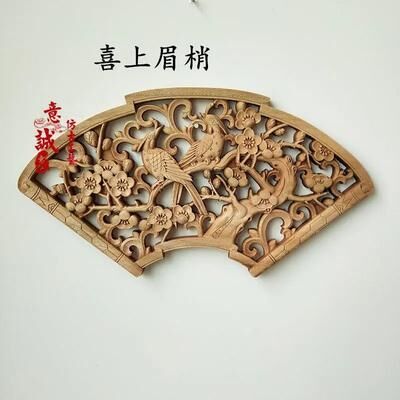
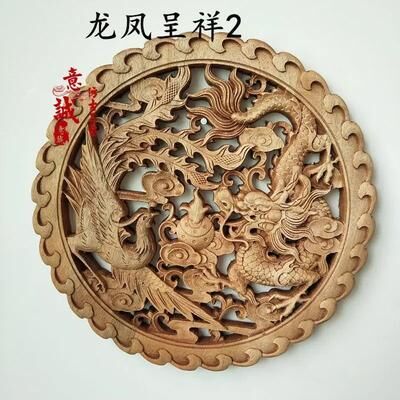
Inspired Finds Traditional Chinese Camphor Wood Dragon Phoenix Wall Hanging 3D Carved Art Decor floral FortuneBring cultural depth and timeless elegance into your home with this stunning Chinese wood carving wall art crafted from aromatic camphor wood. Featuring intricate dragon and phoenix motifs, this dragon phoenix wall decor symbolizes harmony, power,...86,99 $*Shipping: 0,00 $Secure redirect to the provider
-
Inspired Finds Traditional Chinese Camphor Wood Dragon Phoenix Wall Hanging 3D Carved Art Decor prosperity DeerBring cultural depth and timeless elegance into your home with this stunning Chinese wood carving wall art crafted from aromatic camphor wood. Featuring intricate dragon and phoenix motifs, this dragon phoenix wall decor symbolizes harmony, power,...86,99 $*Shipping: 0,00 $Secure redirect to the provider
-
Inspired Finds Traditional Chinese Camphor Wood Dragon Phoenix Wall Hanging 3D Carved Art Decor celestial PairBring cultural depth and timeless elegance into your home with this stunning Chinese wood carving wall art crafted from aromatic camphor wood. Featuring intricate dragon and phoenix motifs, this dragon phoenix wall decor symbolizes harmony, power,...86,99 $*Shipping: 0,00 $Secure redirect to the provider
-
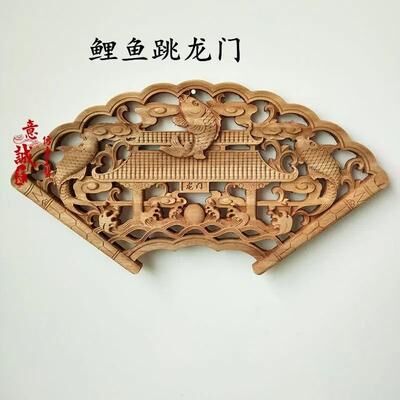
Inspired Finds Traditional Chinese Camphor Wood Dragon Phoenix Wall Hanging 3D Carved Art Decor koi GateBring cultural depth and timeless elegance into your home with this stunning Chinese wood carving wall art crafted from aromatic camphor wood. Featuring intricate dragon and phoenix motifs, this dragon phoenix wall decor symbolizes harmony, power,...86,99 $*Shipping: 0,00 $Secure redirect to the provider
-
What is the recipe for traditional Chinese coconut balls?
The traditional Chinese coconut balls, also known as "coconut snowball" or "coconut mochi," are made with glutinous rice flour, sugar, coconut milk, and shredded coconut. To make the coconut balls, mix the glutinous rice flour with sugar and coconut milk to form a dough. Then, shape the dough into small balls and roll them in shredded coconut. Finally, steam the coconut balls until they are cooked and the texture becomes soft and chewy. These coconut balls are a popular sweet treat in Chinese cuisine and are often served during special occasions and festivals. **
-
What is the name of the Chinese traditional dress?
The name of the Chinese traditional dress is "qipao" or "cheongsam." It is a form-fitting dress with a high collar and is often adorned with intricate embroidery or beautiful patterns. The qipao is a symbol of traditional Chinese culture and is commonly worn for special occasions such as weddings, festivals, and formal events. Its elegant and graceful design has made it a timeless and iconic piece of Chinese fashion. **
-
Do you say "inspired by" or "inspired through"?
Both "inspired by" and "inspired through" are commonly used phrases, but they have slightly different meanings. "Inspired by" is used to indicate the source or origin of inspiration, such as "This painting was inspired by nature." On the other hand, "inspired through" is used to indicate the means or channel of inspiration, such as "She was inspired through her travels." Both phrases are correct, but it's important to use the one that best conveys the intended meaning in a given context. **
-
Is it said "inspired by" or "inspired through"?
The correct phrase is "inspired by." This phrase is commonly used to indicate that something has influenced or sparked creativity in someone. "Inspired through" is not a standard phrase used in this context. **

Is traditional old-school metal dying out?
While traditional old-school metal may not be as mainstream as it once was, it is far from dying out. There is still a dedicated fan base that continues to support and celebrate classic metal bands and their music. Additionally, many newer bands are incorporating elements of traditional metal into their music, keeping the genre alive and evolving. While it may not dominate the charts like it did in the past, traditional old-school metal continues to thrive within its community. **
Are there hardly any finds when metal detecting?
While metal detecting can be an exciting hobby, it is not uncommon to have days where there are hardly any finds. The amount of finds can vary depending on the location, the equipment being used, and the experience of the detectorist. Factors such as the age of the area being searched, human activity in the past, and the presence of other metal objects can also impact the number of finds. Patience and persistence are key when metal detecting, as even a single valuable or historically significant find can make the effort worthwhile. **
Top-Angebote
Products related to Inspired-Finds-Traditional-Chinese:
-
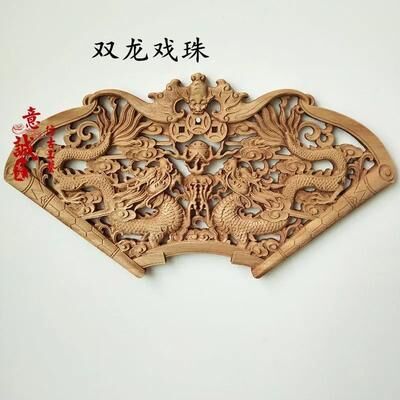
Inspired Finds Traditional Chinese Camphor Wood Dragon Phoenix Wall Hanging 3D Carved Art Decor twin DragonsBring cultural depth and timeless elegance into your home with this stunning Chinese wood carving wall art crafted from aromatic camphor wood. Featuring intricate dragon and phoenix motifs, this dragon phoenix wall decor symbolizes harmony, power,...86,99 $*Shipping: 0,00 $Secure redirect to the provider
-
Inspired Finds Traditional Chinese Camphor Wood Dragon Phoenix Wall Hanging 3D Carved Art Decor qilin BlessingBring cultural depth and timeless elegance into your home with this stunning Chinese wood carving wall art crafted from aromatic camphor wood. Featuring intricate dragon and phoenix motifs, this dragon phoenix wall decor symbolizes harmony, power,...86,99 $*Shipping: 0,00 $Secure redirect to the provider
-
Inspired Finds Traditional Chinese Camphor Wood Dragon Phoenix Wall Hanging 3D Carved Art Decor floral FortuneBring cultural depth and timeless elegance into your home with this stunning Chinese wood carving wall art crafted from aromatic camphor wood. Featuring intricate dragon and phoenix motifs, this dragon phoenix wall decor symbolizes harmony, power,...86,99 $*Shipping: 0,00 $Secure redirect to the provider
-
Inspired Finds Traditional Chinese Camphor Wood Dragon Phoenix Wall Hanging 3D Carved Art Decor prosperity DeerBring cultural depth and timeless elegance into your home with this stunning Chinese wood carving wall art crafted from aromatic camphor wood. Featuring intricate dragon and phoenix motifs, this dragon phoenix wall decor symbolizes harmony, power,...86,99 $*Shipping: 0,00 $Secure redirect to the provider
-
What is the difference between traditional Chinese and simplified Chinese?
Traditional Chinese characters are the original form of written Chinese, which have been used for thousands of years. They are more complex and have more strokes compared to simplified Chinese characters. Simplified Chinese characters were introduced in the 1950s in an effort to increase literacy in China by reducing the number of strokes in characters. Simplified Chinese characters are used in mainland China and Singapore, while traditional Chinese characters are used in Taiwan, Hong Kong, and Macau. **
-
How are Chinese traditional characters translated into German?
Chinese traditional characters are translated into German through a process called transliteration. This involves representing the sound of the Chinese characters using German phonetic equivalents. Additionally, the meaning of the characters is also taken into consideration, and the closest German words with similar meanings are chosen to represent the original Chinese characters. This process allows for the accurate representation of the Chinese characters in the German language, ensuring that the meaning and pronunciation are preserved as much as possible. **
-
What is the recipe for traditional Chinese coconut balls?
The traditional Chinese coconut balls, also known as "coconut snowball" or "coconut mochi," are made with glutinous rice flour, sugar, coconut milk, and shredded coconut. To make the coconut balls, mix the glutinous rice flour with sugar and coconut milk to form a dough. Then, shape the dough into small balls and roll them in shredded coconut. Finally, steam the coconut balls until they are cooked and the texture becomes soft and chewy. These coconut balls are a popular sweet treat in Chinese cuisine and are often served during special occasions and festivals. **
-
What is the name of the Chinese traditional dress?
The name of the Chinese traditional dress is "qipao" or "cheongsam." It is a form-fitting dress with a high collar and is often adorned with intricate embroidery or beautiful patterns. The qipao is a symbol of traditional Chinese culture and is commonly worn for special occasions such as weddings, festivals, and formal events. Its elegant and graceful design has made it a timeless and iconic piece of Chinese fashion. **
Similar search terms for Inspired-Finds-Traditional-Chinese
-
Inspired Finds Traditional Chinese Camphor Wood Dragon Phoenix Wall Hanging 3D Carved Art Decor celestial PairBring cultural depth and timeless elegance into your home with this stunning Chinese wood carving wall art crafted from aromatic camphor wood. Featuring intricate dragon and phoenix motifs, this dragon phoenix wall decor symbolizes harmony, power,...86,99 $*Shipping: 0,00 $Secure redirect to the provider
-
Inspired Finds Traditional Chinese Camphor Wood Dragon Phoenix Wall Hanging 3D Carved Art Decor koi GateBring cultural depth and timeless elegance into your home with this stunning Chinese wood carving wall art crafted from aromatic camphor wood. Featuring intricate dragon and phoenix motifs, this dragon phoenix wall decor symbolizes harmony, power,...86,99 $*Shipping: 0,00 $Secure redirect to the provider
-
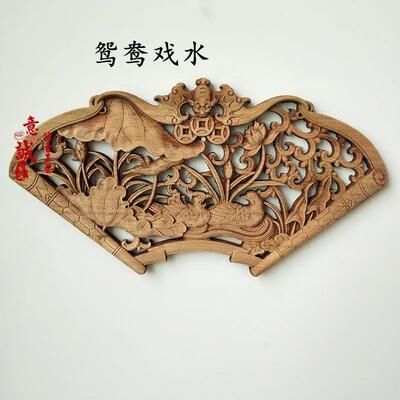
Inspired Finds Traditional Chinese Camphor Wood Dragon Phoenix Wall Hanging 3D Carved Art Decor koi LotusBring cultural depth and timeless elegance into your home with this stunning Chinese wood carving wall art crafted from aromatic camphor wood. Featuring intricate dragon and phoenix motifs, this dragon phoenix wall decor symbolizes harmony, power,...86,99 $*Shipping: 0,00 $Secure redirect to the provider
-
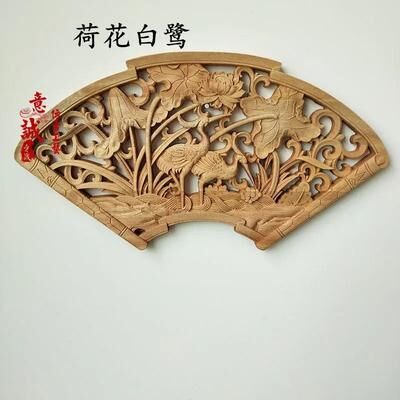
Inspired Finds Traditional Chinese Camphor Wood Dragon Phoenix Wall Hanging 3D Carved Art Decor lotus CraneBring cultural depth and timeless elegance into your home with this stunning Chinese wood carving wall art crafted from aromatic camphor wood. Featuring intricate dragon and phoenix motifs, this dragon phoenix wall decor symbolizes harmony, power,...86,99 $*Shipping: 0,00 $Secure redirect to the provider
-
Do you say "inspired by" or "inspired through"?
Both "inspired by" and "inspired through" are commonly used phrases, but they have slightly different meanings. "Inspired by" is used to indicate the source or origin of inspiration, such as "This painting was inspired by nature." On the other hand, "inspired through" is used to indicate the means or channel of inspiration, such as "She was inspired through her travels." Both phrases are correct, but it's important to use the one that best conveys the intended meaning in a given context. **
-
Is it said "inspired by" or "inspired through"?
The correct phrase is "inspired by." This phrase is commonly used to indicate that something has influenced or sparked creativity in someone. "Inspired through" is not a standard phrase used in this context. **
-
Is traditional old-school metal dying out?
While traditional old-school metal may not be as mainstream as it once was, it is far from dying out. There is still a dedicated fan base that continues to support and celebrate classic metal bands and their music. Additionally, many newer bands are incorporating elements of traditional metal into their music, keeping the genre alive and evolving. While it may not dominate the charts like it did in the past, traditional old-school metal continues to thrive within its community. **
-
Are there hardly any finds when metal detecting?
While metal detecting can be an exciting hobby, it is not uncommon to have days where there are hardly any finds. The amount of finds can vary depending on the location, the equipment being used, and the experience of the detectorist. Factors such as the age of the area being searched, human activity in the past, and the presence of other metal objects can also impact the number of finds. Patience and persistence are key when metal detecting, as even a single valuable or historically significant find can make the effort worthwhile. **
* All prices are inclusive of VAT and, if applicable, plus shipping costs. The offer information is based on the details provided by the respective shop and is updated through automated processes. Real-time updates do not occur, so deviations can occur in individual cases. ** Note: Parts of this content were created by AI.