Buy bohren.eu ?
We are moving the project
bohren.eu .
Are you interested in purchasing the domain
bohren.eu ?
domain@kv-gmbh.de · 0541-91531010
Buy bohren.eu ?
Can wood pigeons digest whole peanuts with shells?
Wood pigeons are able to digest whole peanuts with shells, as their digestive system is capable of breaking down the shells to access the nutrients inside. However, it is recommended to provide shelled peanuts to birds as a precaution, as the shells can be a choking hazard. Additionally, shelled peanuts are easier for birds to consume and digest, promoting their overall health and well-being. **
With which adhesive can one glue shells to wood?
One can use a strong adhesive such as epoxy or marine-grade adhesive to glue shells to wood. These adhesives provide a strong and durable bond that can withstand the elements and the natural movement of the wood. It is important to ensure that the surfaces are clean and properly prepared before applying the adhesive to ensure a secure bond. **


Similar search terms for Shells
Top-Angebote
Products related to Shells:
-
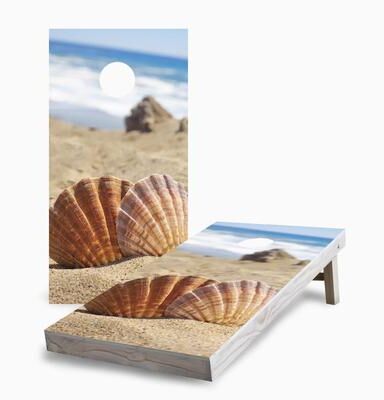
Skip's Garage Beach Shells Corn Hole Board Set w Case & Lights"Includes: (2) Cornhole Boards, (8) Bags, (1) Carry Case & (2) Board Hole Lights. Boards are Regulation Sized 24"" Wide x 48"" Long. Bags Will Complement The Board Colors. Easily Message Us Bag Color Requests."336,49 $*Shipping: 0,00 $Secure redirect to the provider
-
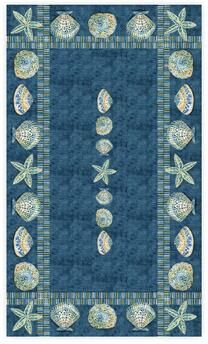
Laural Home Embellished Shells Tablecloth"The coastal tablecloth ""Embellished Shells"" is the perfect addition to your table. Mosaic-style shells and starfish create a classy nautical feel, while the textured blue background creates depth to the design."101,84 $*Shipping: 0,00 $Secure redirect to the provider



-
What is the theme of Wolfgang Borchert's "Shells, Shells"?
The theme of Wolfgang Borchert's "Shells, Shells" revolves around the devastating impact of war on individuals and society. The story explores the physical and emotional scars left by war on soldiers, as well as the difficulty of reintegrating into civilian life. It also delves into the themes of isolation, alienation, and the struggle to find meaning and connection in a world that has been shattered by conflict. **
-
Are these shells?
No, the objects in the image are not shells. They appear to be nuts, possibly almonds or walnuts, based on their shape and texture. Shells are typically hard outer coverings of various sea creatures or nuts, while these objects seem to be the edible part inside the shell. **
-
Are shells algae?
Shells are not algae. Shells are the hard outer coverings of certain animals, such as mollusks, that are made of calcium carbonate. Algae, on the other hand, are a diverse group of photosynthetic organisms that can range from single-celled to multicellular forms. Algae are not animals and do not produce shells. **
-
Types of shells
There are several types of shells found in nature, including gastropod shells, bivalve shells, and cephalopod shells. Gastropod shells are typically coiled and are the protective outer layer of snails and slugs. Bivalve shells are hinged and include clams, oysters, and mussels. Cephalopod shells, such as those of nautiluses, are chambered and provide buoyancy and protection for the animal. Each type of shell has unique characteristics and serves different functions for the organisms that possess them. **

Lower classifications of shells
Lower classifications of shells refer to the specific categories used to further classify and categorize different types of shells. These classifications can include categories such as gastropods, bivalves, cephalopods, and scaphopods. Each of these lower classifications represents a specific type of shell structure and can help scientists and enthusiasts better understand the diversity and characteristics of different shells. These classifications are important for identifying and studying different species of shells and understanding their ecological roles. **
Do shells have eyes?
No, shells do not have eyes. Shells are the hard outer coverings of certain animals, such as snails, clams, and oysters. These animals have eyes, but the shells themselves do not. Shells are primarily used for protection and support for the animal's body. **
Top-Angebote
Products related to Shells:
-
Skip's Garage Beach Shells Corn Hole Board Set with Carry Case"Includes: (2) Cornhole Boards, (8) Bags & (1) Carrying Case. Boards are Regulation Sized 24"" Wide x 48"" Long. Bags Will Complement The Board Colors. Easily Message Us Bag Color Requests."293,99 $*Shipping: 0,00 $Secure redirect to the provider
-
Skip's Garage Beach Shells Corn Hole Board Set w Case & Lights"Includes: (2) Cornhole Boards, (8) Bags, (1) Carry Case & (2) Board Hole Lights. Boards are Regulation Sized 24"" Wide x 48"" Long. Bags Will Complement The Board Colors. Easily Message Us Bag Color Requests."336,49 $*Shipping: 0,00 $Secure redirect to the provider
-
Laural Home Embellished Shells Tablecloth"The coastal tablecloth ""Embellished Shells"" is the perfect addition to your table. Mosaic-style shells and starfish create a classy nautical feel, while the textured blue background creates depth to the design."101,84 $*Shipping: 0,00 $Secure redirect to the provider
-
Can wood pigeons digest whole peanuts with shells?
Wood pigeons are able to digest whole peanuts with shells, as their digestive system is capable of breaking down the shells to access the nutrients inside. However, it is recommended to provide shelled peanuts to birds as a precaution, as the shells can be a choking hazard. Additionally, shelled peanuts are easier for birds to consume and digest, promoting their overall health and well-being. **
-
With which adhesive can one glue shells to wood?
One can use a strong adhesive such as epoxy or marine-grade adhesive to glue shells to wood. These adhesives provide a strong and durable bond that can withstand the elements and the natural movement of the wood. It is important to ensure that the surfaces are clean and properly prepared before applying the adhesive to ensure a secure bond. **
-
What is the theme of Wolfgang Borchert's "Shells, Shells"?
The theme of Wolfgang Borchert's "Shells, Shells" revolves around the devastating impact of war on individuals and society. The story explores the physical and emotional scars left by war on soldiers, as well as the difficulty of reintegrating into civilian life. It also delves into the themes of isolation, alienation, and the struggle to find meaning and connection in a world that has been shattered by conflict. **
-
Are these shells?
No, the objects in the image are not shells. They appear to be nuts, possibly almonds or walnuts, based on their shape and texture. Shells are typically hard outer coverings of various sea creatures or nuts, while these objects seem to be the edible part inside the shell. **
Similar search terms for Shells
-
Skip's Garage Beach Shells Cornhole Boards"Includes: (2) Cornhole Boards & (8) Bags. Boards are Regulation Sized 24"" Wide x 48"" Long. Bags Will Complement The Board Colors. Easily Message Us Bag Color Requests. Easily Add a Carry Cases, Lights, or Both!"246,49 $*Shipping: 0,00 $Secure redirect to the provider
-
Are shells algae?
Shells are not algae. Shells are the hard outer coverings of certain animals, such as mollusks, that are made of calcium carbonate. Algae, on the other hand, are a diverse group of photosynthetic organisms that can range from single-celled to multicellular forms. Algae are not animals and do not produce shells. **
-
Types of shells
There are several types of shells found in nature, including gastropod shells, bivalve shells, and cephalopod shells. Gastropod shells are typically coiled and are the protective outer layer of snails and slugs. Bivalve shells are hinged and include clams, oysters, and mussels. Cephalopod shells, such as those of nautiluses, are chambered and provide buoyancy and protection for the animal. Each type of shell has unique characteristics and serves different functions for the organisms that possess them. **
-
Lower classifications of shells
Lower classifications of shells refer to the specific categories used to further classify and categorize different types of shells. These classifications can include categories such as gastropods, bivalves, cephalopods, and scaphopods. Each of these lower classifications represents a specific type of shell structure and can help scientists and enthusiasts better understand the diversity and characteristics of different shells. These classifications are important for identifying and studying different species of shells and understanding their ecological roles. **
-
Do shells have eyes?
No, shells do not have eyes. Shells are the hard outer coverings of certain animals, such as snails, clams, and oysters. These animals have eyes, but the shells themselves do not. Shells are primarily used for protection and support for the animal's body. **
* All prices are inclusive of VAT and, if applicable, plus shipping costs. The offer information is based on the details provided by the respective shop and is updated through automated processes. Real-time updates do not occur, so deviations can occur in individual cases. ** Note: Parts of this content were created by AI.